Inheritance
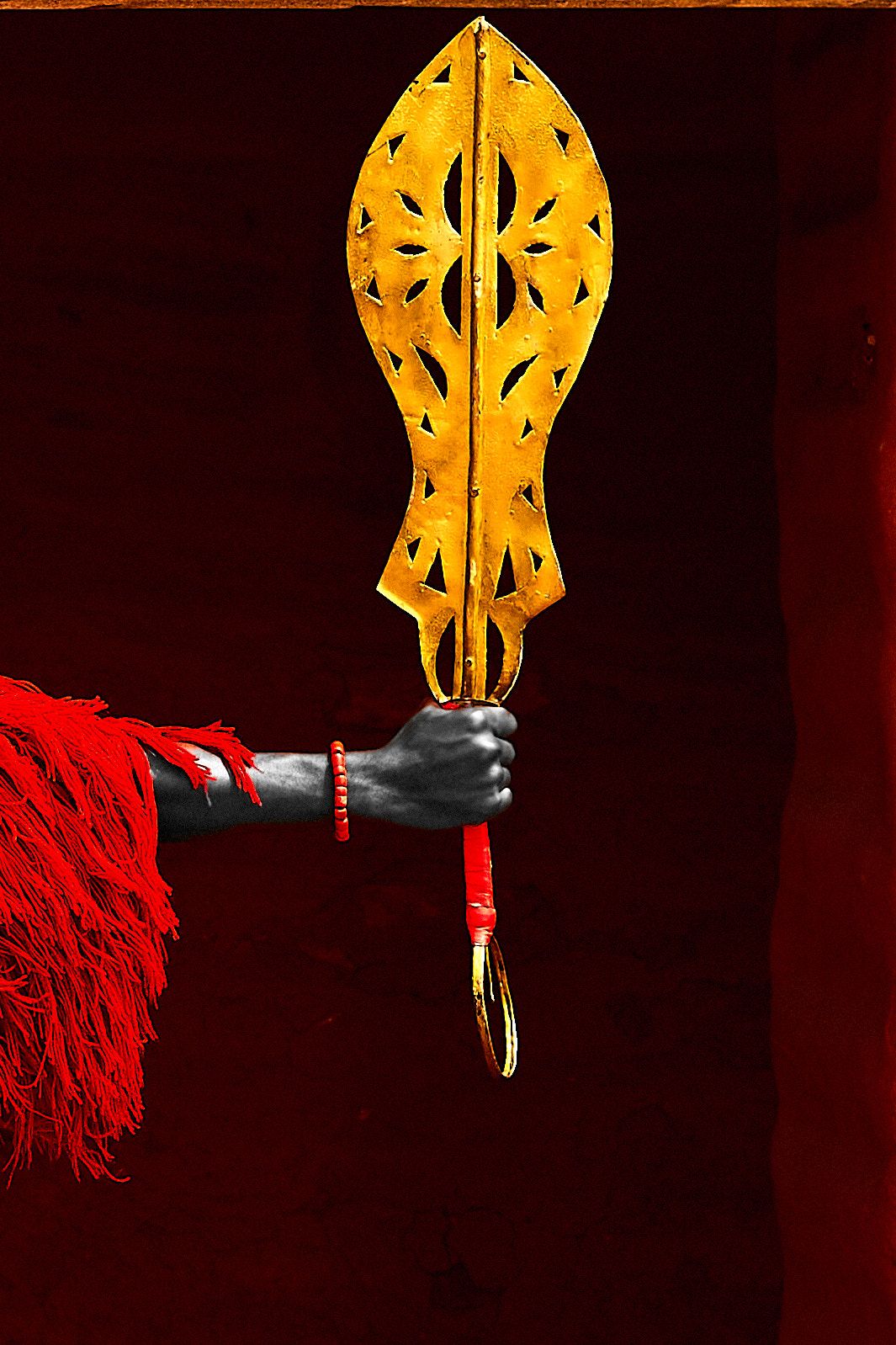
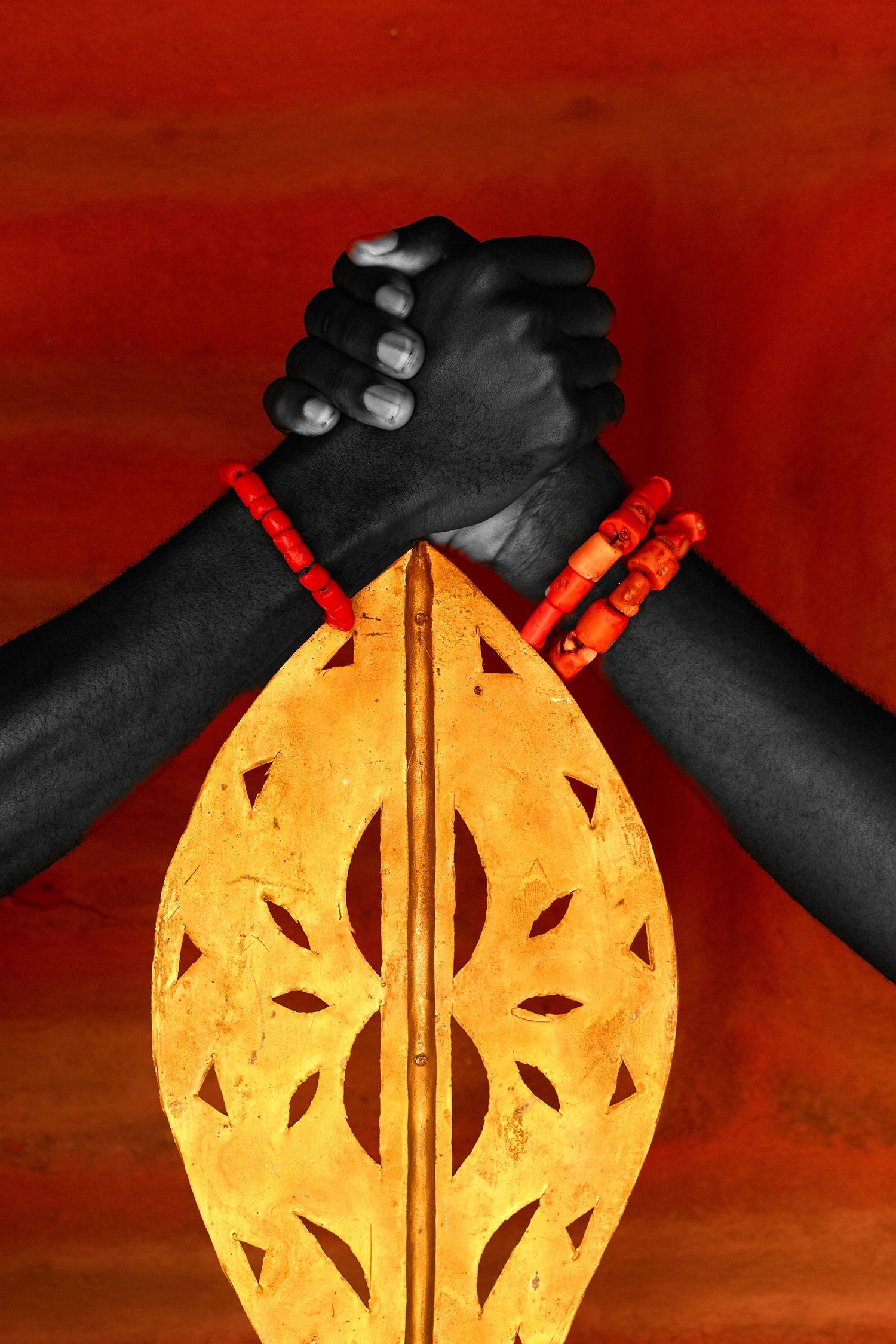
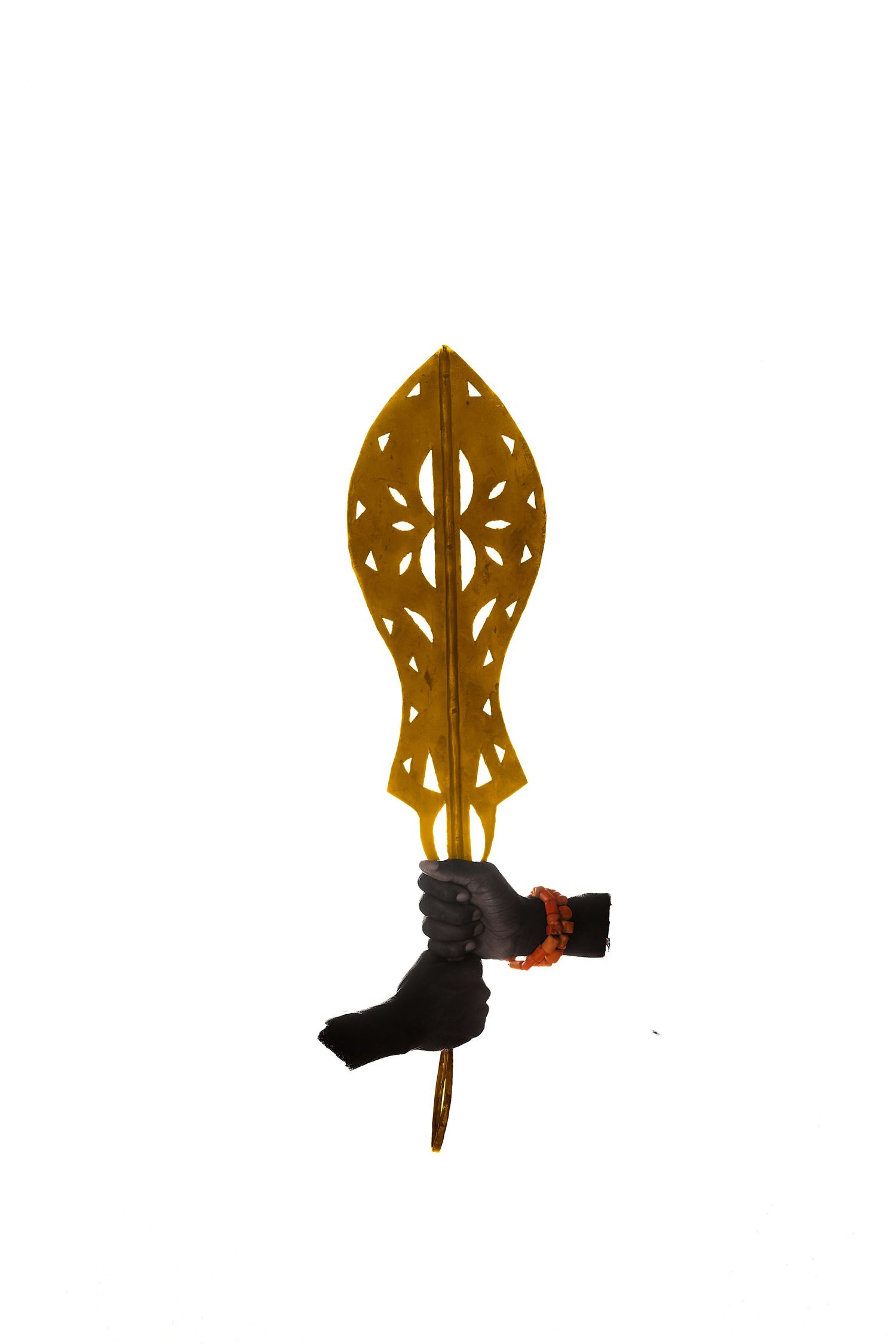
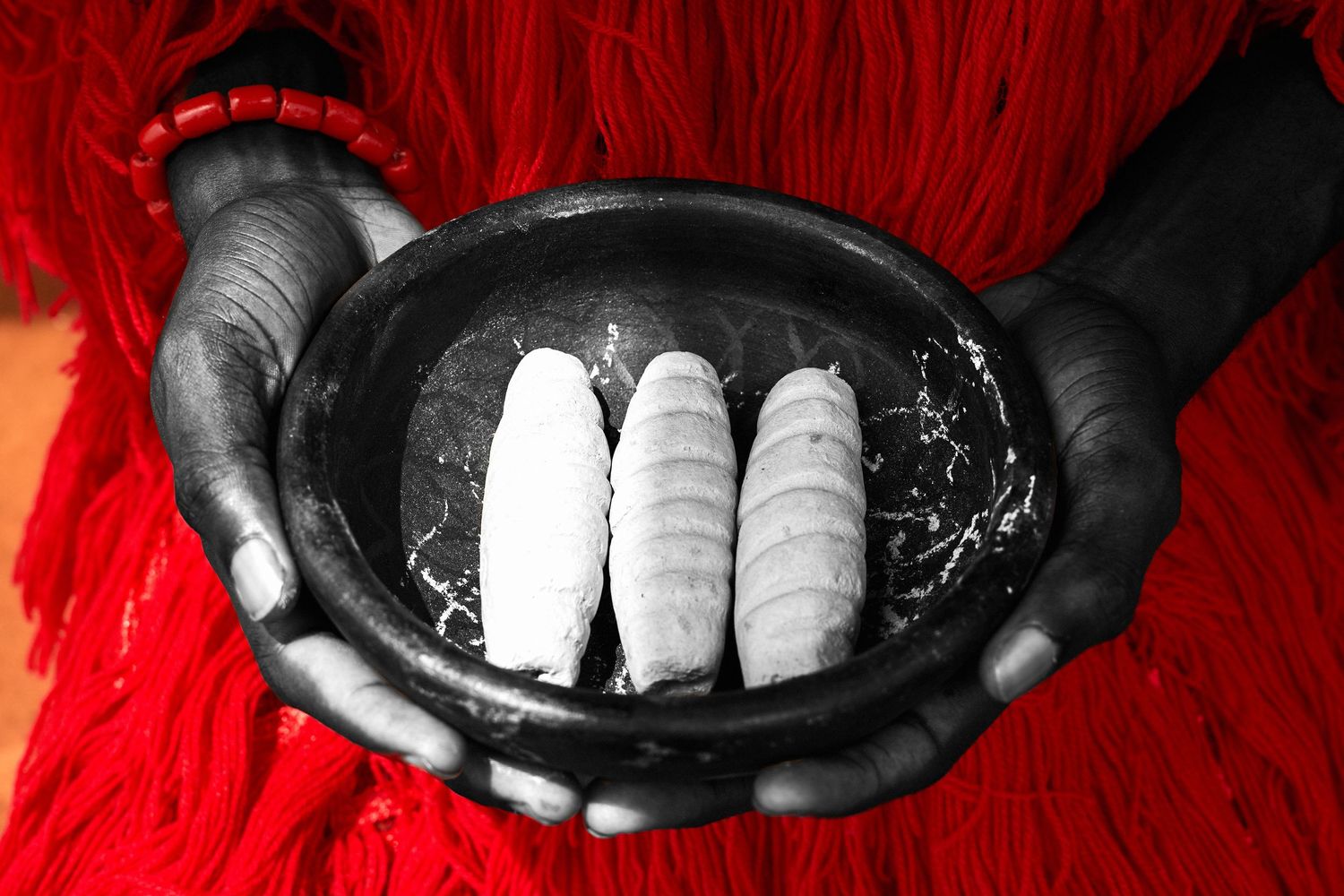
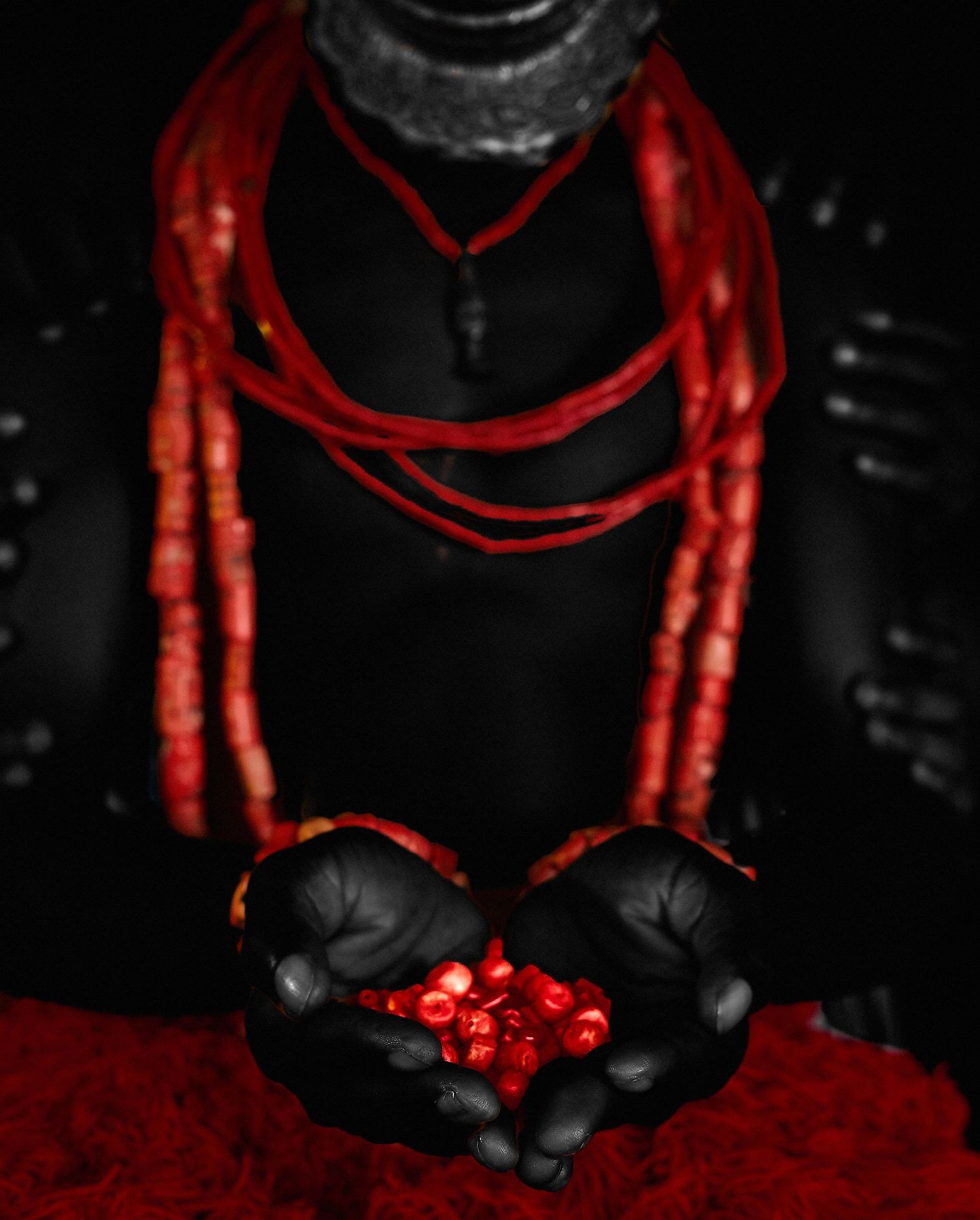
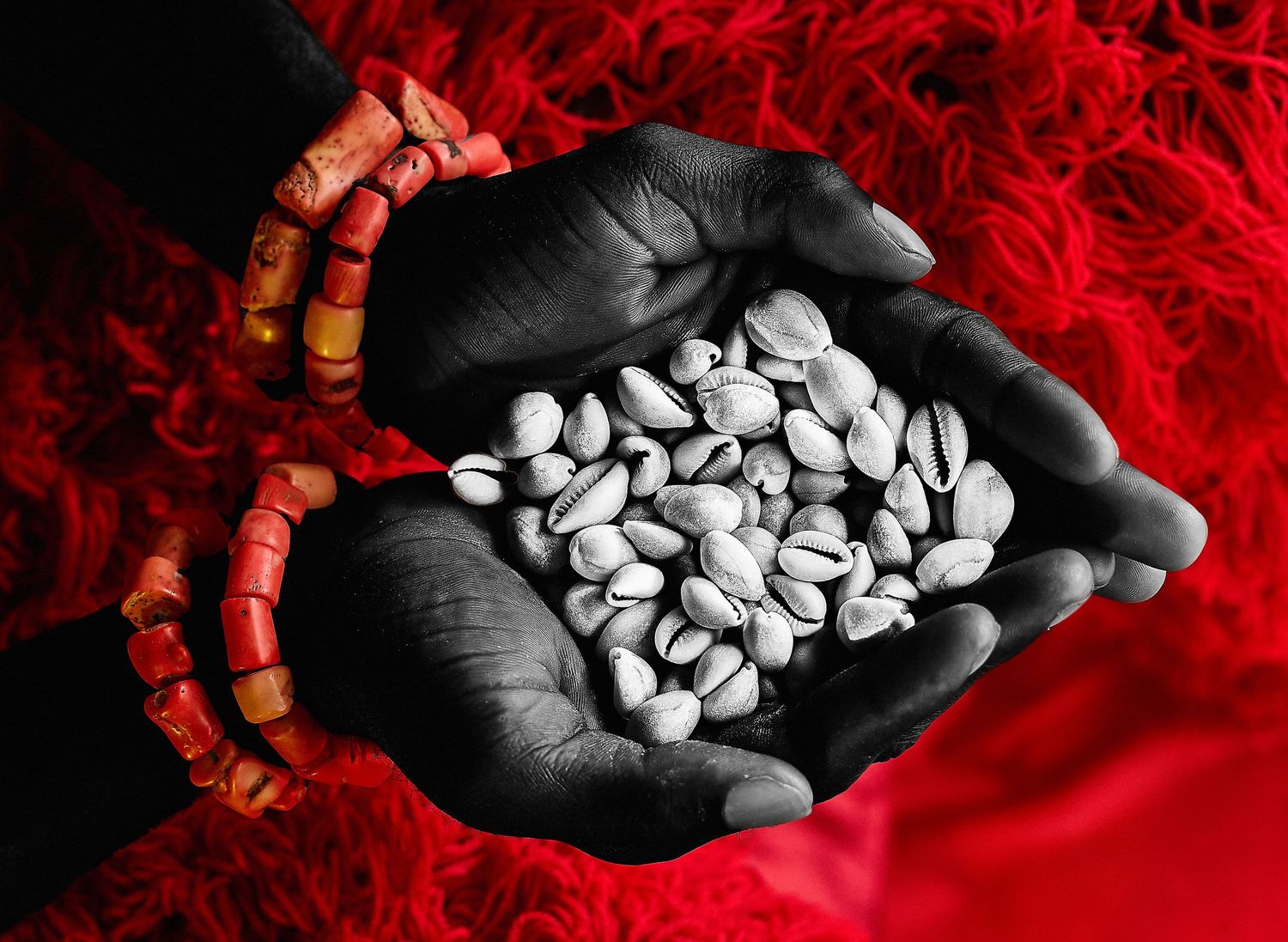
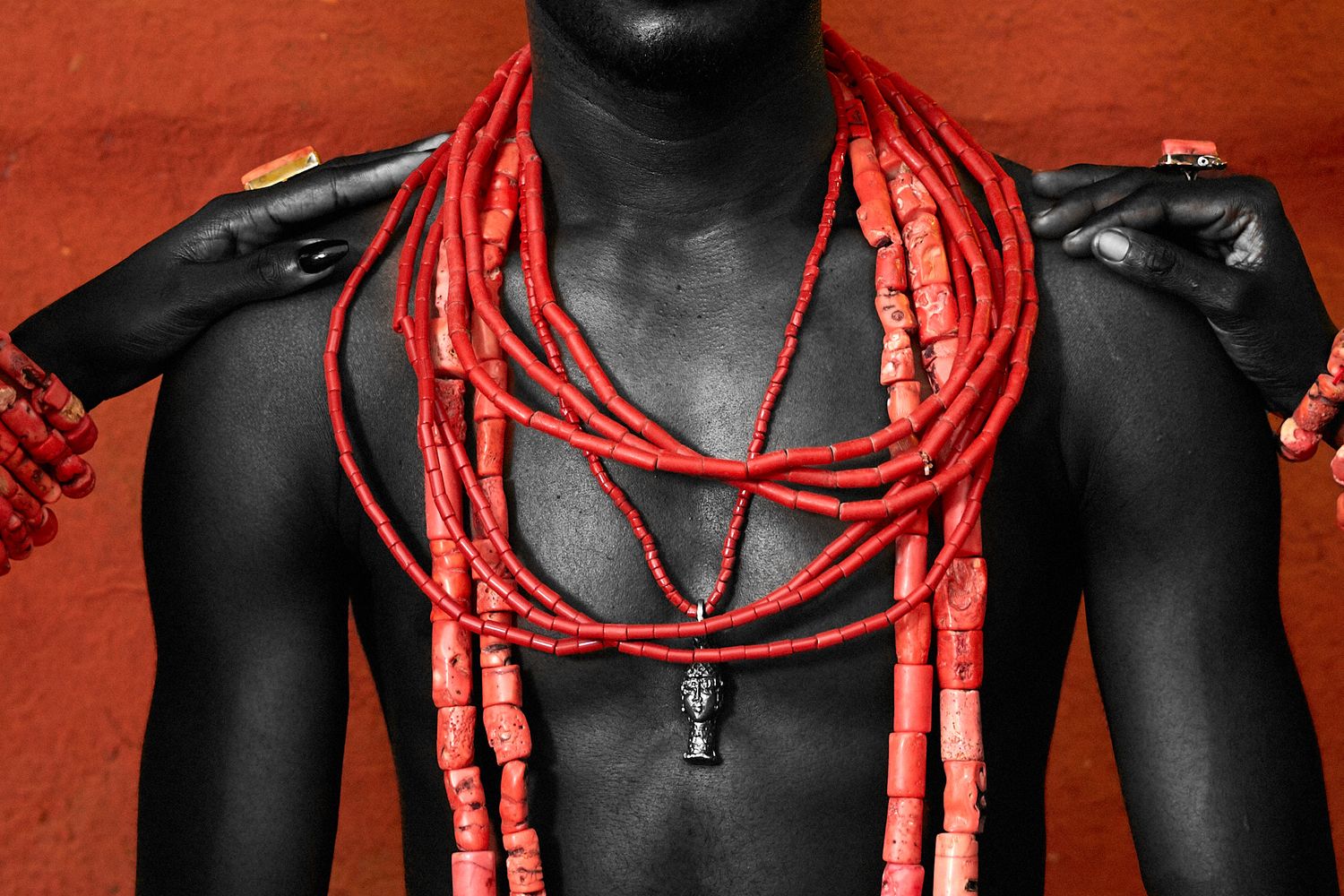
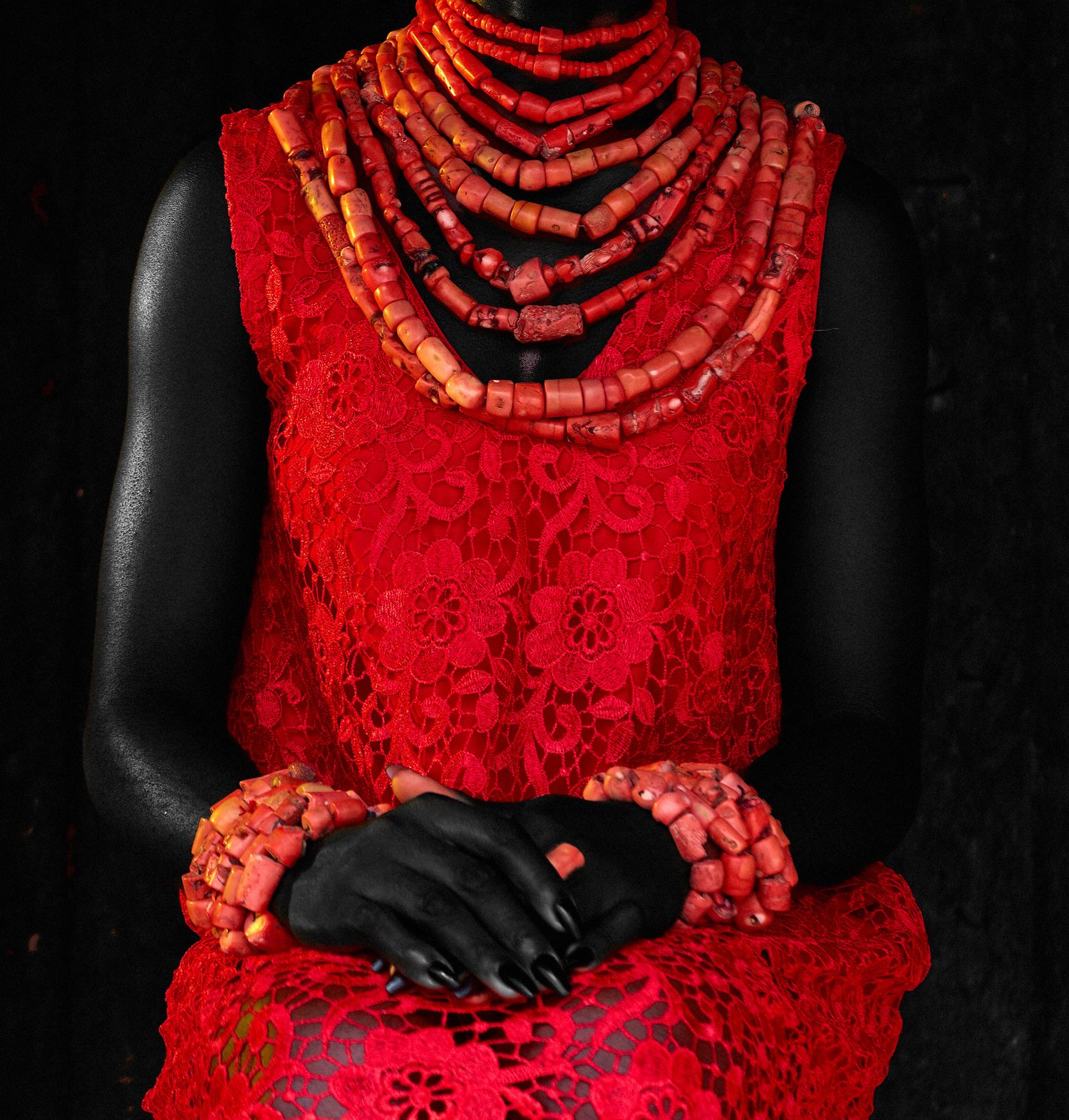
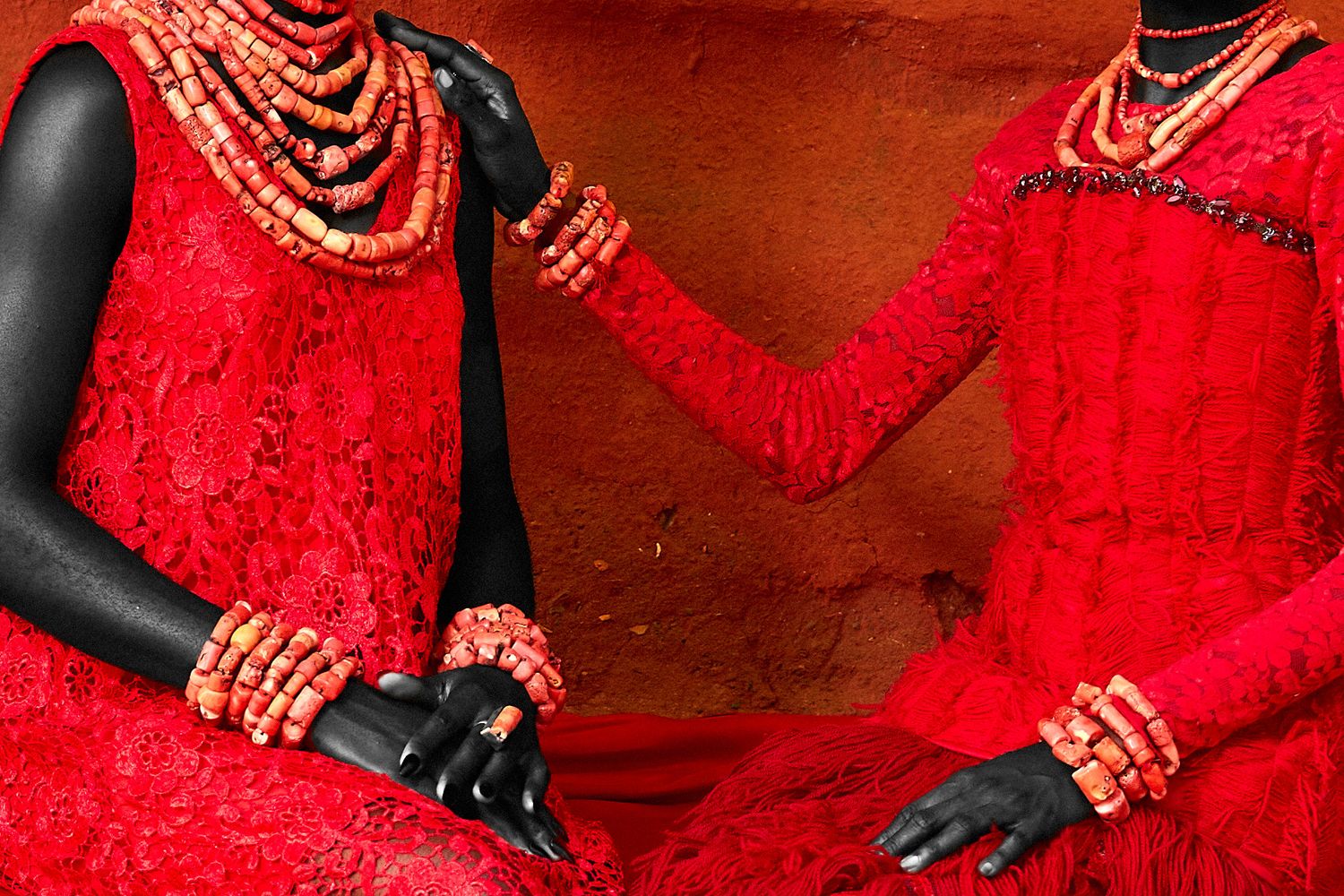
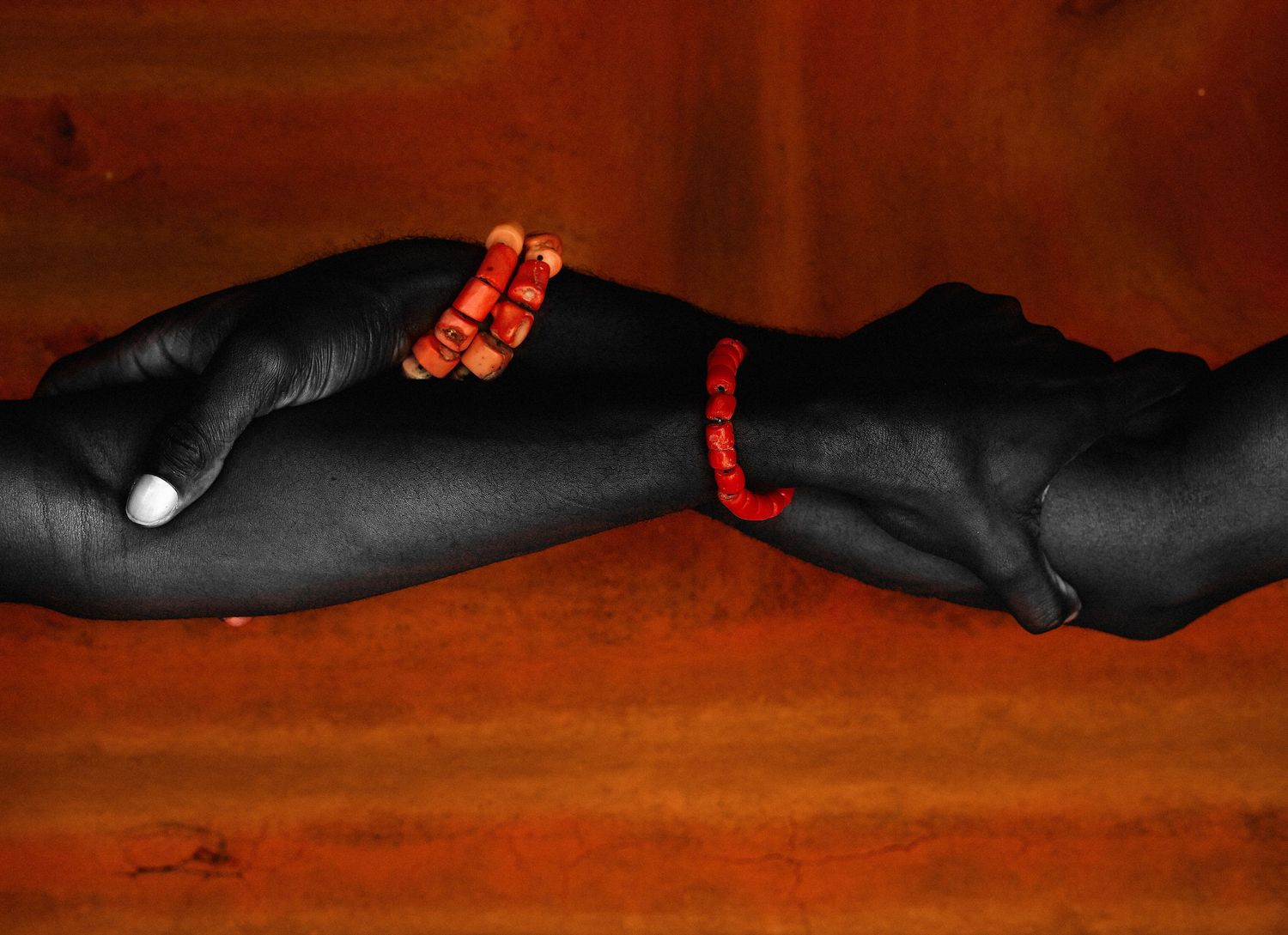
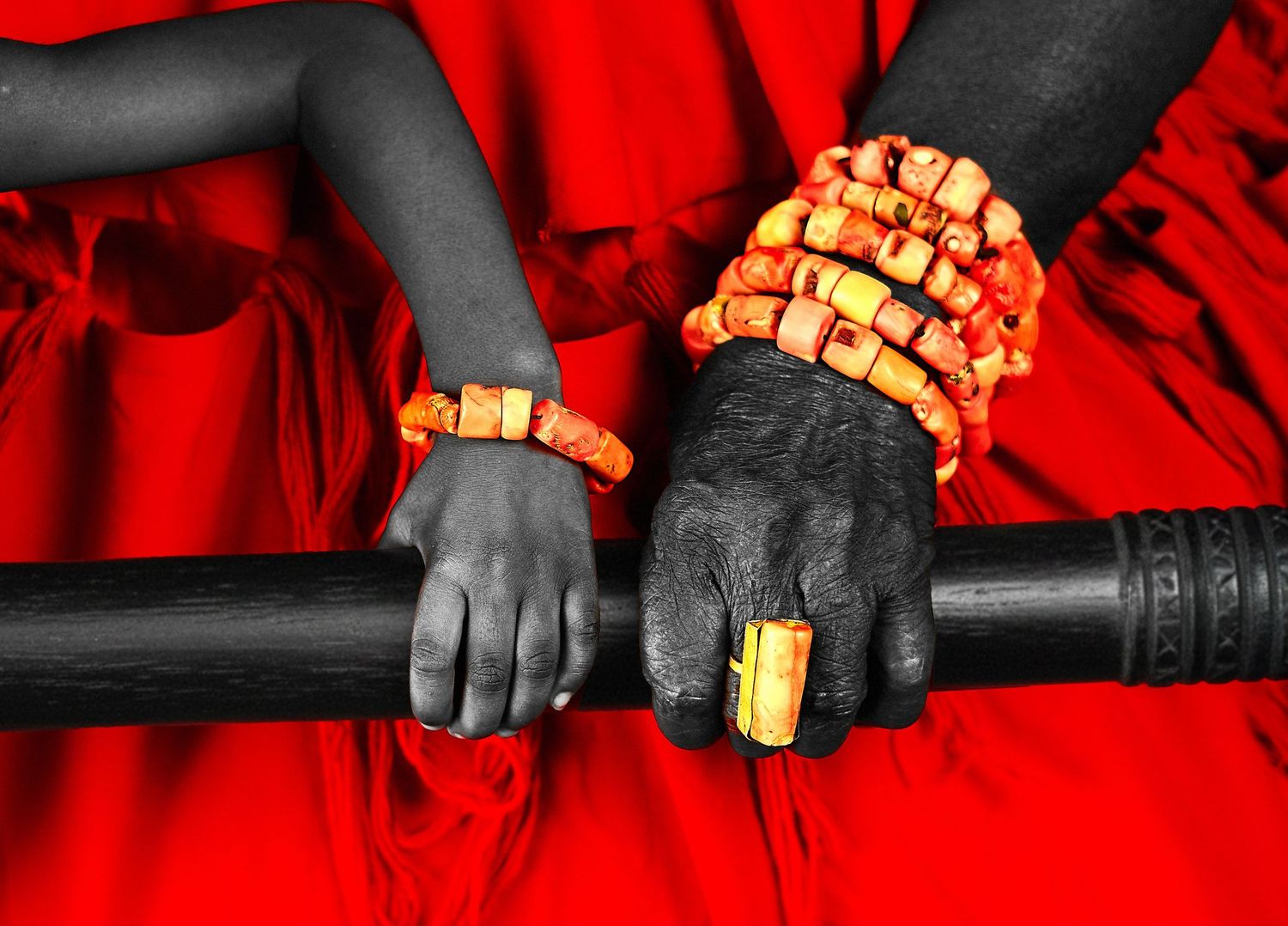
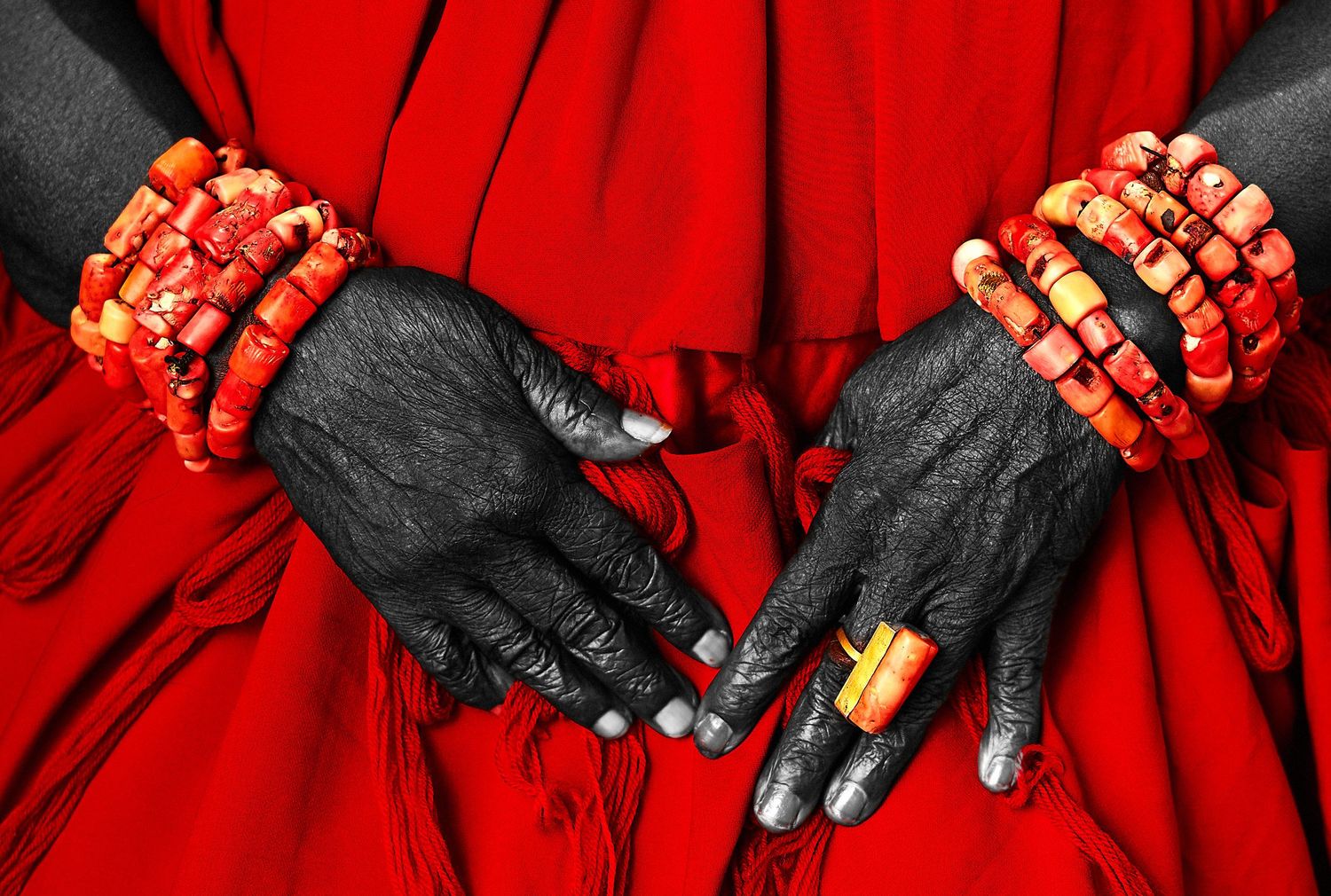
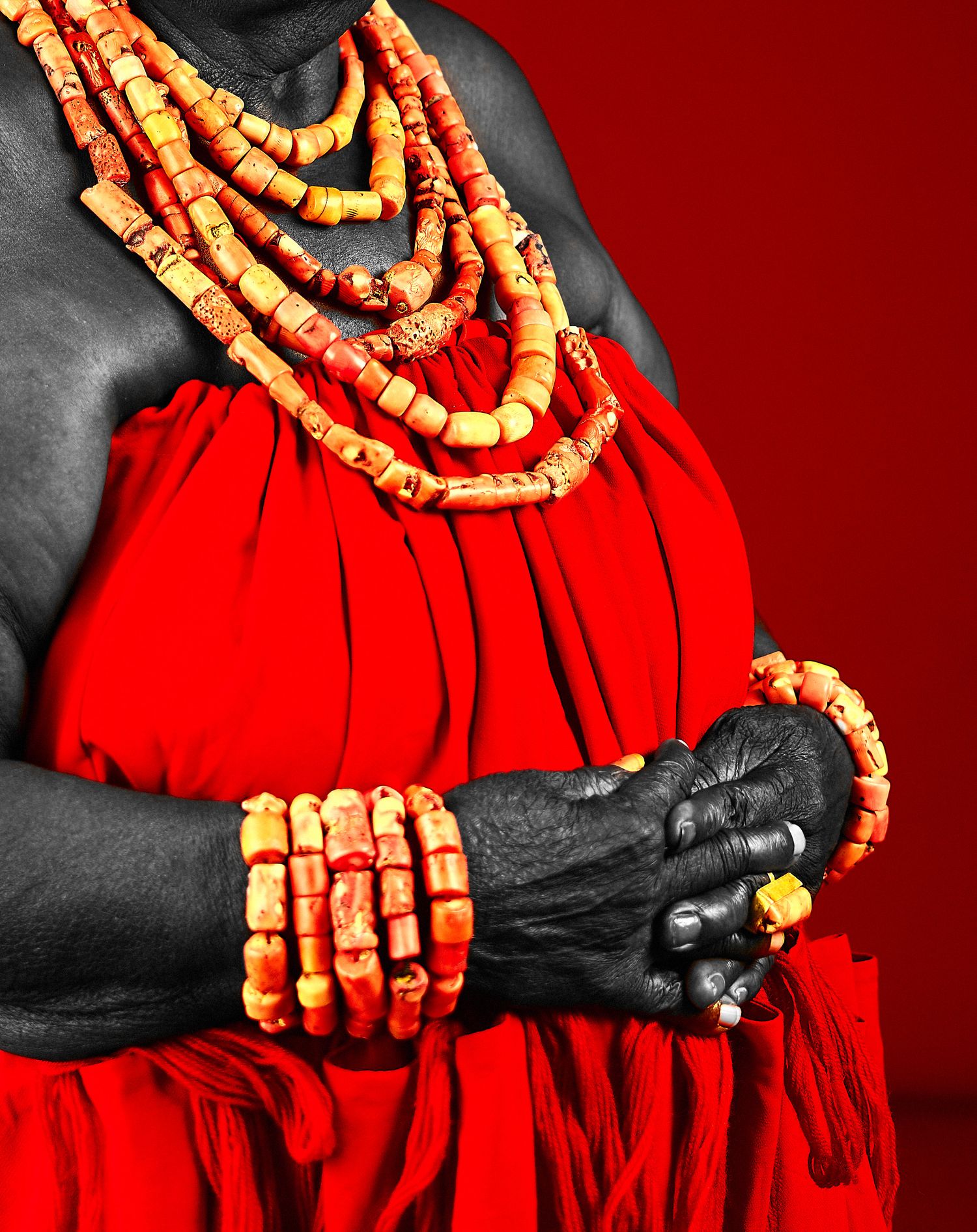
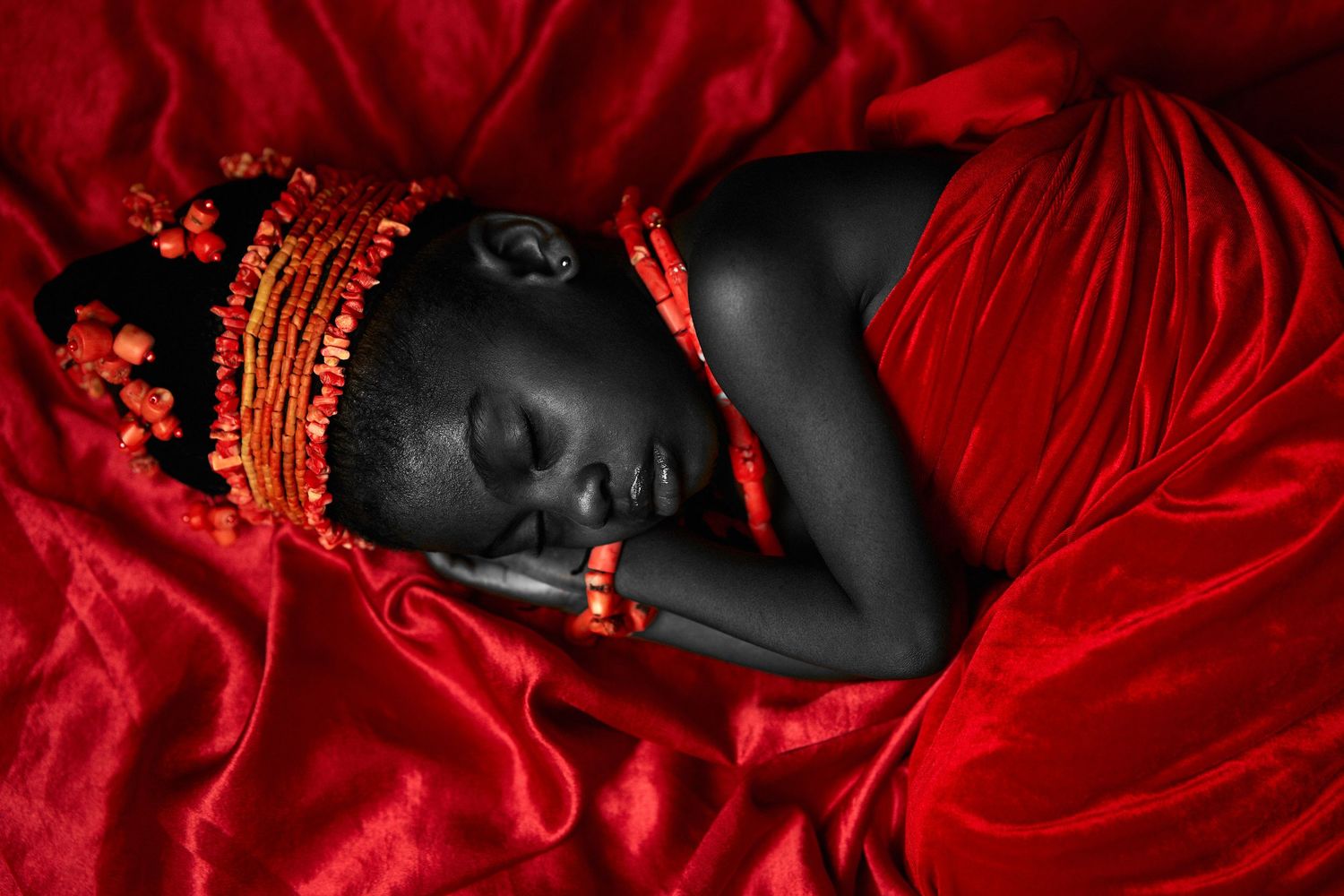
Inheritance examines power not as spectacle, but as responsibility passed through bodies, rituals, and time. Drawing from Edo cultural philosophy, this body of work traces how authority is prepared, balanced, transferred, and eventually released. Through hands, objects, posture, and gesture, the series reveals inheritance as labour before privilege, memory before possession, and rest made possible only by those who carried the weight before.
Rather than focusing on historical narration or specific events, Inheritance approaches power as a lived condition. Authority is not announced; it is rehearsed, embodied, and sustained through ritual continuity. Objects and ceremonial forms function as vessels of memory, holding histories that exceed the individual and bind the present to what came before.
The work resists spectacle and linear storytelling. Figures appear composed yet burdened, still yet charged, suggesting the tension between continuity and personal agency. In this space, inheritance is neither celebration nor loss, but an ongoing negotiation between duty and becoming.
While grounded in Edo cultural frameworks, Inheritance speaks beyond geography. It reflects on how societies preserve authority, how responsibility is transmitted across generations, and how power persists not through display, but through those willing to carry it.